
Water Treatment Facilities
The Effluent Treatment Plant (ETP) is a crucial component of the environmental management system. It plays a vital role in treating wastewater generated by industrial processes before discharge into the environment.
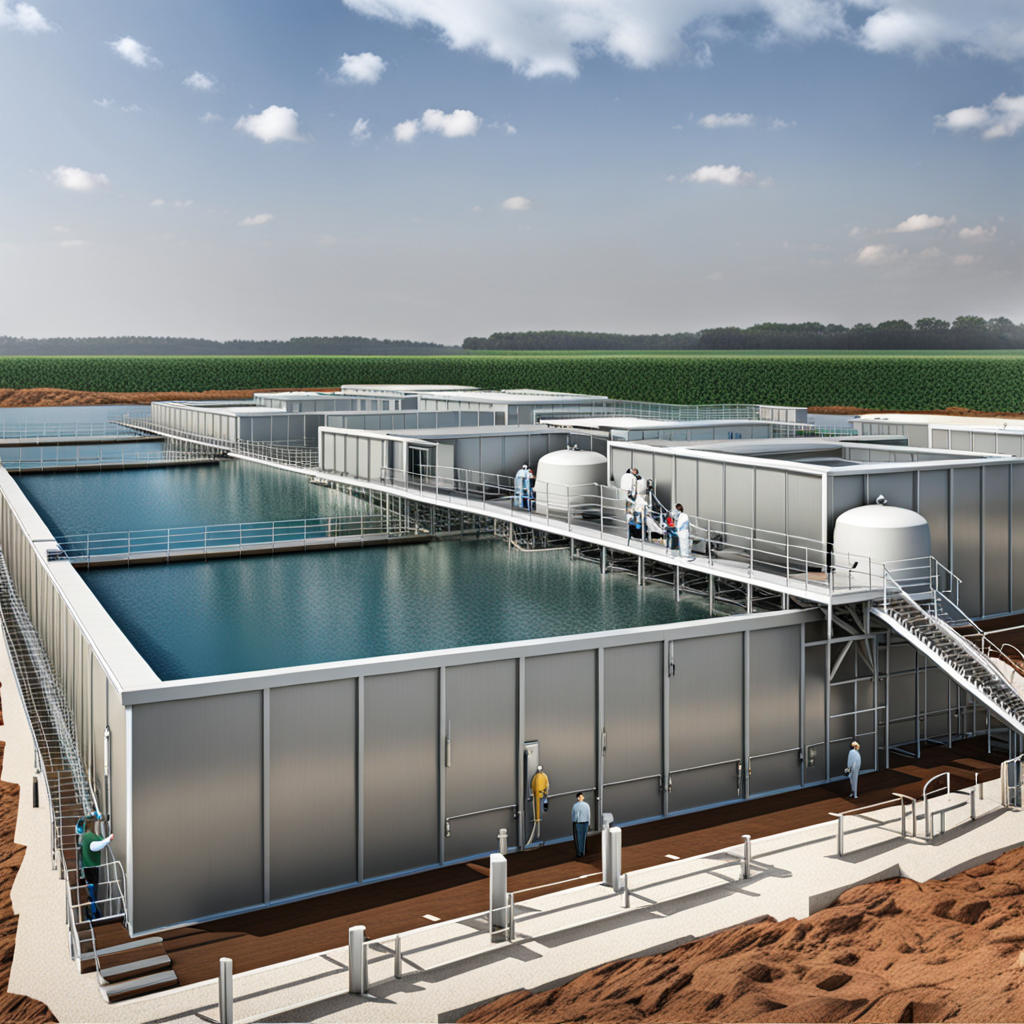
What makes us in Effluent Treatment Plant (ETP)
- The ETP process involves several key steps, including:
- ETP Infrastructure
- ETP Monitoring
-
Collection and Inflow: Wastewater generated in the industrial processes is collected and directed to the ETP.
-
Primary Treatment: During this phase, solid particles and debris are removed through processes like screening and sedimentation.
-
Secondary Treatment: This stage focuses on biological treatment, where microorganisms break down organic contaminants.
-
Tertiary Treatment: Advanced treatments like chemical coagulation, filtration, or disinfection may be employed to further purify the effluent.
-
Sludge Handling: Separated sludge is managed, treated, and disposed of in an environmentally responsible manner.
The infrastructure of the Effluent Treatment Plant is essential for the efficient functioning of the treatment process. This typically includes:
-
Inlet Systems: These include channels or pipes that collect and direct wastewater to the plant.
-
Treatment Tanks and Reactors: Various tanks and reactors are used for primary, secondary, and tertiary treatment processes.
-
Chemical Dosing Systems: Automated systems for adding chemicals for coagulation, pH adjustment, and disinfection.
-
Filtration Units: Systems for removing fine particles from the effluent.
-
Monitoring and Control Systems: Instruments and sensors for real-time monitoring of treatment parameters and control of the plant.
-
Effluent Outflow: Systems for safe discharge or reuse of treated water.
Monitoring is critical to ensure that the ETP is operating effectively and meeting regulatory standards. Key aspects of ETP monitoring include:
-
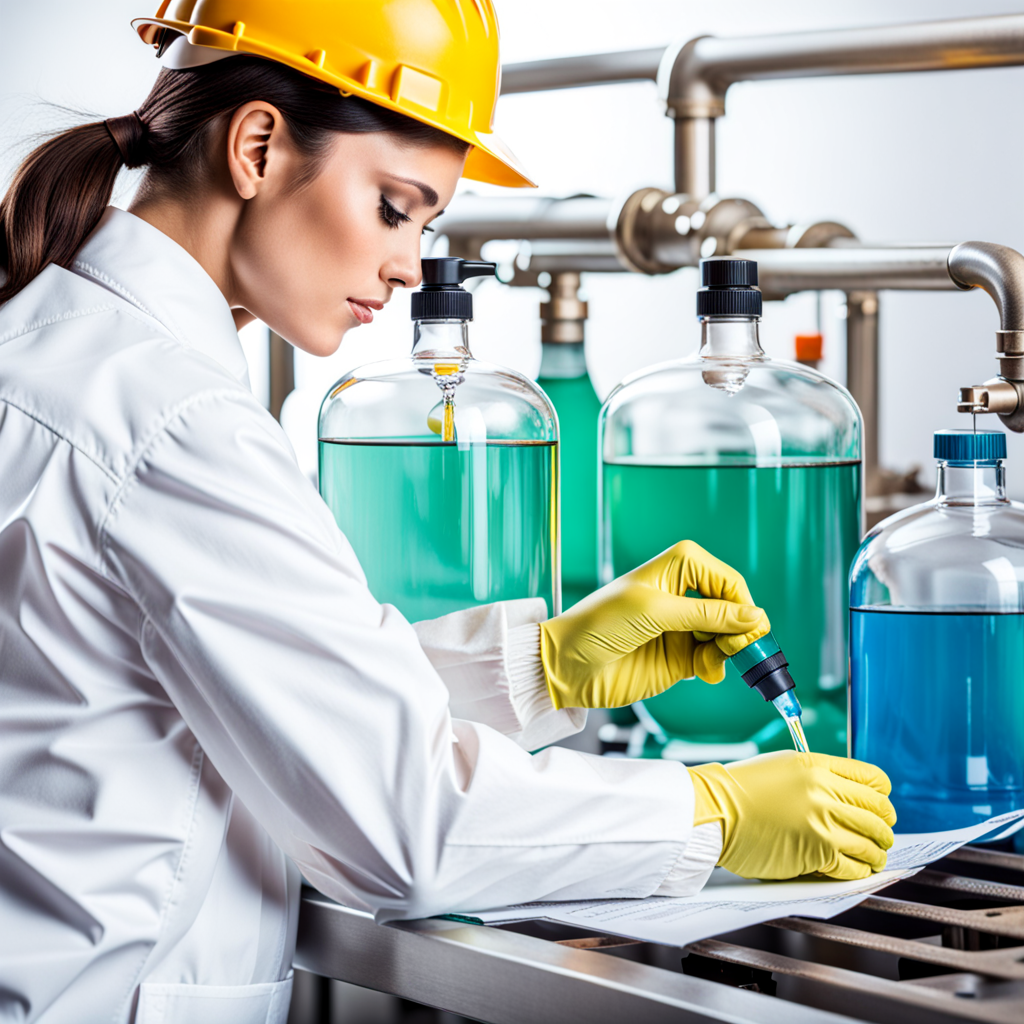
Effluent Quality Analysis: Regular sampling and analysis of the treated effluent to check for compliance with discharge standards.
-
Flow Monitoring: Continuous measurement of the flow rate of wastewater entering and leaving the ETP.
-
Operational Parameters: Monitoring of variables like pH, temperature, chemical dosages, and dissolved oxygen to ensure the optimal operation of the plant.
-
Sludge Management: Monitoring the handling, treatment, and disposal of sludge generated during the treatment process.
-
Compliance Reporting: Preparation and submission of reports to regulatory authorities demonstrating adherence to environmental standards.
-
Emergency Response: Developing and practicing emergency procedures in case of system failures or accidental releases.
Sewage Treatment Plant (STP)
- The STP process involves several key steps:
- STP Infrastructure
- STP Monitoring
-
-
Screening and Primary Treatment: In the initial stage, large debris and solids are removed from the sewage using screens and sedimentation tanks.
-
Biological Treatment: This phase utilizes biological processes, such as activated sludge or biofilm reactors, to break down organic matter through the activity of microorganisms.
-
Secondary Clarification: After biological treatment, the wastewater is separated from the activated sludge, and the clarified water proceeds for further treatment.
-
Tertiary Treatment: Advanced processes like chemical coagulation, filtration, and disinfection may be employed to achieve a higher level of water quality.
-
Sludge Management: The sludge generated during the treatment process is treated and disposed of properly.
-
The infrastructure of the Sewage Treatment Plant includes various components and equipment crucial for effective wastewater treatment:
-
Inlet Works: Facilities for receiving and screening incoming sewage, including screening equipment and grit removal.
-
Biological Reactors: Tanks or basins where microorganisms break down organic matter in the sewage.
-
Secondary Clarifiers: Tanks where the treated water is separated from the biomass or sludge.
-
Tertiary Treatment Units: Systems for further polishing the effluent, which may include sand filters, UV disinfection, and chemical dosing.
-
Sludge Handling Facilities: Equipment for dewatering, thickening, and managing the sludge generated during treatment.
-
Effluent Discharge or Reuse Systems: Infrastructure for releasing treated water into the environment or using it for non-potable purposes like irrigation.
Monitoring is essential to ensure that the STP is functioning effectively and in compliance with regulatory standards. Key aspects of STP monitoring include:
-
Effluent Quality Analysis: Regular sampling and analysis of the treated sewage to assess compliance with discharge standards.
-
Flow Monitoring: Continuous measurement of the flow rate of sewage entering and leaving the STP.
-
Operational Parameters: Monitoring variables like pH, temperature, dissolved oxygen, and chemical dosages to optimize plant operation.
-
Sludge Management Monitoring: Tracking the handling, treatment, and disposal of sludge produced during the treatment process.
-
Compliance Reporting: Preparing and submitting reports to regulatory authorities demonstrating adherence to environmental standards.
-
Odor Control: Monitoring and control of odors, which can be a concern in sewage treatment.
-
Emergency Response: Developing and practicing emergency procedures in case of system failures or accidental releases.


Water Treatment Plant (WTP)
- The WTP process typically includes the following steps:
- WTP Infrastructure
- WTP Monitoring
-
Coagulation and Flocculation: Introduction of chemicals to help particles clump together for easier removal.
-
Sedimentation: Settling of the coagulated particles at the bottom of a basin.
-
Filtration: Passage of water through various filters (e.g., sand, gravel, and activated carbon) to remove remaining impurities.
-
Disinfection: Application of chlorine, ozone, or UV light to kill harmful microorganisms.
-
pH Adjustment: Balancing the pH to meet safe drinking water standards.
-
Tertiary Treatment (if necessary): Advanced treatments for further purification, such as membrane filtration or advanced oxidation.
The infrastructure of the Water Treatment Plant includes various components and equipment necessary for the efficient treatment of water:
-
Intake Structures: Facilities for drawing water from its source (e.g., rivers, lakes, or groundwater).
-
Chemical Dosing Systems: Automated systems for adding coagulants, disinfectants, and other treatment chemicals.
-
Clarifiers: Tanks or basins for the settling of suspended solids during the sedimentation process.
-
Filtration Units: Equipment for removing particulate matter from the water, which can include rapid sand filters and granular activated carbon filters.
-
Disinfection Systems: Systems for applying chlorine, ozone, or UV radiation to eliminate pathogens.
-
Treated Water Storage: Reservoirs or tanks to store treated water before distribution.
-
Distribution Network: Pipes and pumps for conveying treated water to consumers.
Monitoring is crucial for ensuring the WTP is operating effectively and providing safe water. Key aspects of WTP monitoring include:
-
Water Quality Analysis: Regular sampling and analysis of the treated water to verify compliance with safety standards.
-
Flow Monitoring: Continuous measurement of the flow rate of water entering and leaving the WTP.
-
Operational Parameters: Monitoring variables like pH, turbidity, chlorine levels, and pressure at various stages to optimize the plant’s operation.
-
Disinfection Residuals: Ensuring that the disinfection process has effectively eliminated harmful microorganisms.
-
Maintenance and Repairs: Scheduling and tracking maintenance activities for plant components.
Reverse Osmosis Plant (RO)
- The The Reverse Osmosis Plant (RO) process typically includes the following steps:
- RO Infrastructure
- RO Monitoring
The RO process involves:
-
-
Pre-Treatment: Prior treatment steps to remove large particles and impurities.
-
Membrane Filtration: Forcing water through a semi-permeable membrane that blocks salts and contaminants, allowing only pure water to pass through.
-
Concentrate Disposal: Managing the concentrated brine or reject water that contains removed impurities.
-
The infrastructure of the Reverse Osmosis Plant typically includes:
-
Membrane Modules: The RO membranes, housed in pressure vessels, are the core of the system.
-
Pumps: To pressurize the incoming water for membrane filtration.
-
Monitoring and Control Systems: Instruments and sensors for real-time monitoring of the RO process and control of system parameters.
-
Reject Management Systems: Facilities for dealing with the concentrate, which may include disposal or further treatment.
Monitoring is essential to ensure the efficient operation of the RO plant. Key aspects of RO monitoring include:
-
Membrane Performance: Regular assessment of membrane condition and performance.
-
Pressure and Flow Monitoring: Monitoring system pressure and flow rates to optimize operation.
-
Water Quality Analysis: Regular sampling and analysis of the treated water to verify the quality of the product water.
-
Concentrate Disposal: Management and monitoring of reject water.
Demineralization Plant (DM)
- Demineralization Plant
- DM Infrastructure
- DM Monitoring
DM process involves:
-
Cation Exchange: Removing positively charged ions (cations) such as calcium and magnesium.
-
Anion Exchange: Eliminating negatively charged ions (anions) like chloride and sulfate.
-
Mixed-Bed Exchanger: A final step where cation and anion exchangers are mixed for further purification.
The infrastructure of the Demineralization Plant typically includes:
-
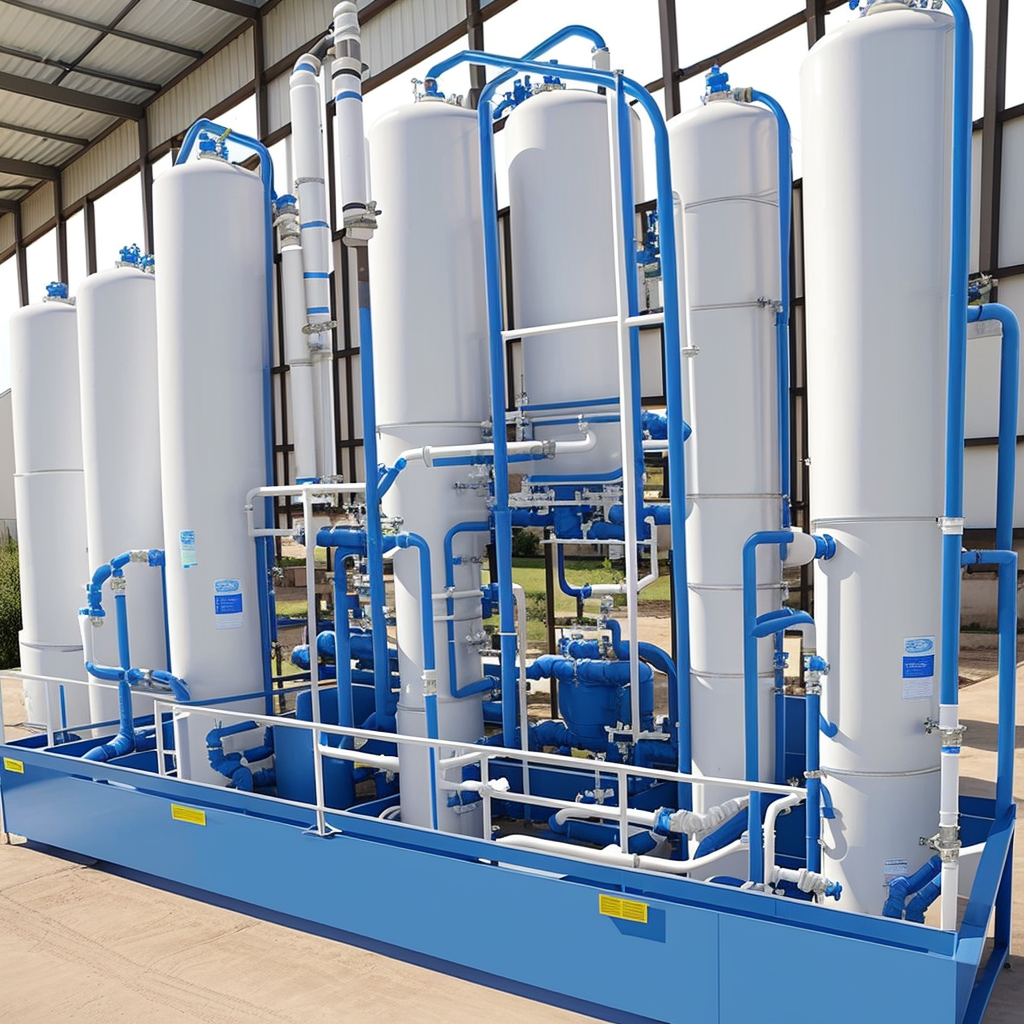
Ion Exchange Resin Columns: Columns filled with cation and anion exchange resins for the removal of ions.
-
Regeneration Systems: Equipment and chemicals for regenerating exhausted resins.
-
Monitoring and Control Systems: Instruments and sensors for real-time monitoring of the DM process and control of system parameters.
Monitoring is crucial to ensure the efficient operation of the DM plant. Key aspects of DM monitoring include:
-
Resin Condition: Regular assessment of resin condition, capacity, and need for regeneration.
-
Effluent Quality Analysis: Regular sampling and analysis of the treated water to verify the removal of ions.
-
Regeneration Process: Monitoring and control of the resin regeneration process.
-
Operational Parameters: Monitoring variables such as flow rates, pressure, and conductivity to optimize plant operation.
-
Safety and Environmental Compliance: Ensuring the safe handling of chemicals used in the regeneration process and compliance with environmental regulations.
About us
We provide complete Environmental Impact Assessment (EIA) solutions including Effluent, Sewage, and Water Treatment Plants, Reverse Osmosis, Demineralization Systems, Chemical Supply, and Air Quality Analysis for sustainable industrial and environmental management.
Subscribe
Sign up for Hydro Chem Tech newsletter to receive all the news & Updates from us.
Social networks
#
#
#
About us
Subscribe
Sign up for HydroChem-Tech newsletter to receive all the news offers and discounts from us.
Social networks
#
#
#