
Chemical Supply
The chemicals commonly used in Water Treatment Plants (WTPs) and Sewage Treatment Plants (STPs), along with their purposes and applications:
Chemicals Used in Water Treatment Plants(WTPs):
- Coagulants:
- Purpose: Coagulants are used to destabilize suspended particles in water, allowing them to clump together and form larger particles called flocs, which can be more easily removed.
- Common Types: Aluminum sulfate (alum), ferric chloride, polyaluminum chloride (PAC), and ferric sulfate.
- Flocculants:
- Purpose: Flocculants enhance the formation and settling of flocs by promoting the aggregation of suspended particles.
- Common Types: Polymers such as polyacrylamide (PAM), polyDADMAC, and polyethylene oxide (PEO).
- Disinfectants:
- Purpose: Disinfectants are used to kill or inactivate harmful microorganisms, such as bacteria, viruses, and protozoa, to ensure the safety of drinking water.
- Common Types: Chlorine-based disinfectants (chlorine gas, sodium hypochlorite, and calcium hypochlorite), chloramines, ozone, and UV radiation.
- pH Adjusters:
- Purpose: pH adjusters are used to regulate the acidity or alkalinity of water to optimize treatment processes and ensure compliance with regulatory standards.
- Common Types: Lime (calcium hydroxide), caustic soda (sodium hydroxide), and soda ash (sodium carbonate).
- Antiscalants:
- Purpose: Antiscalants prevent the precipitation of scale-forming minerals, such as calcium carbonate and calcium sulfate, which can cause scaling and fouling in pipes and equipment.
- Common Types: Polyphosphates, phosphonates, and organic polymers.
- Corrosion Inhibitors:
- Purpose: Corrosion inhibitors protect metal surfaces from corrosion by forming a protective film that prevents the interaction of water with the metal.
- Common Types: Zinc orthophosphate, sodium silicate, and polyphosphates.
- Adsorbents:
- Purpose: Adsorbents are used to remove organic compounds, color, odor, and taste from water by adsorption onto their surfaces.
- Common Types: Activated carbon, granular activated carbon (GAC), and powdered activated carbon (PAC).
Chemicals Used in Sewage Treatment Plants(STPs):
- Disinfectants:
- Purpose: Disinfectants are used to kill or inactivate pathogenic microorganisms present in sewage to prevent the spread of waterborne diseases.
- Common Types: Chlorine-based disinfectants, chloramines, ozone, and UV radiation.
- Alkalinity Adjusters:
- Purpose: Alkalinity adjusters are used to raise the pH of sewage to promote biological treatment processes and enhance the removal of pollutants.
- Common Types: Lime (calcium hydroxide) and caustic soda (sodium hydroxide).
- Nutrient Supplements:
- Purpose: Nutrient supplements are added to sewage to provide essential nutrients, such as nitrogen and phosphorus, to support the growth of microorganisms in biological treatment processes.
- Common Types: Ammonium sulfate, diammonium phosphate, and urea.
- Odor Control Chemicals:
- Purpose: Odor control chemicals are used to mitigate foul odors generated during sewage treatment processes to minimize nuisance to nearby communities.
- Common Types: Chemical oxidants (such as chlorine dioxide), masking agents, and biological odor control additives.
- Polymer Flocculants:
- Purpose: Polymer flocculants aid in the aggregation of suspended solids and the formation of larger flocs, facilitating their separation from the wastewater.
- Common Types: Cationic, anionic, and nonionic polymers.
- Foam Control Agents:
- Purpose: Foam control agents are used to suppress foam formation in aeration tanks and other treatment units to prevent operational issues and maintain process efficiency.
- Common Types: Silicone-based antifoams, mineral oil-based antifoams, and polyethylene glycol-based antifoams.
- Heavy Metal Precipitants:
- Purpose: Heavy metal precipitants facilitate the precipitation and removal of heavy metals, such as lead, mercury, and cadmium, from sewage to prevent environmental contamination.
- Common Types: Lime, sodium hydroxide, and sulfide-based precipitants.
- Surfactants:
- Purpose: Surfactants are used to enhance the wetting and dispersion of pollutants in sewage, improving their removal efficiency during treatment processes.
- Common Types: Anionic, cationic, and nonionic surfactants.

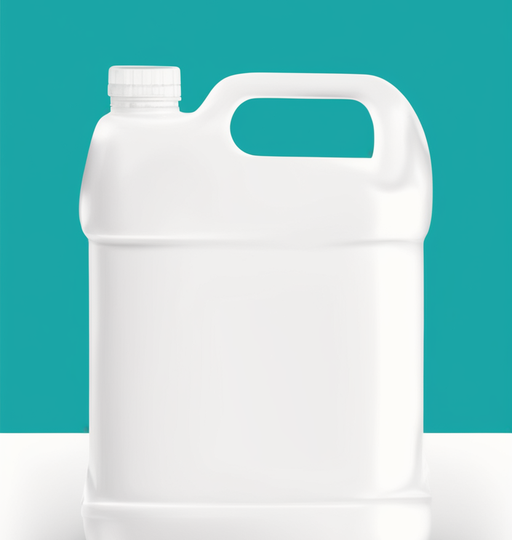

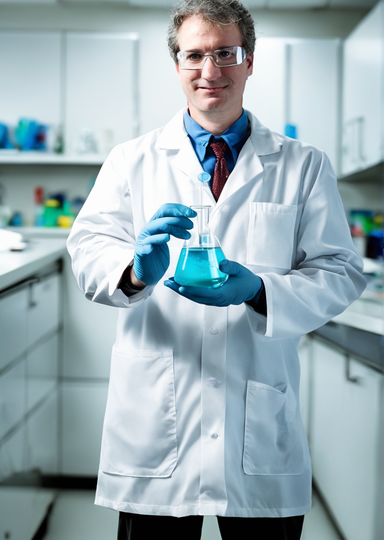
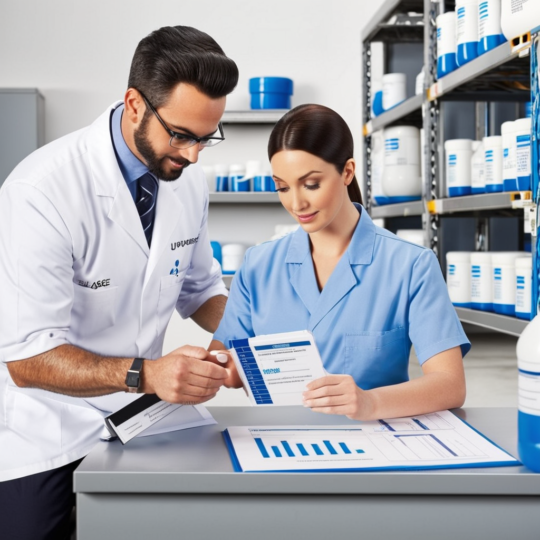

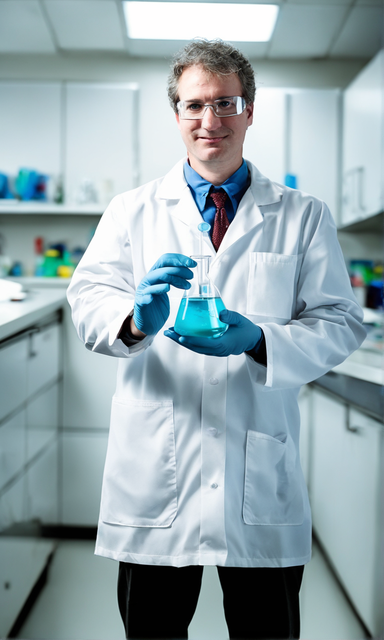
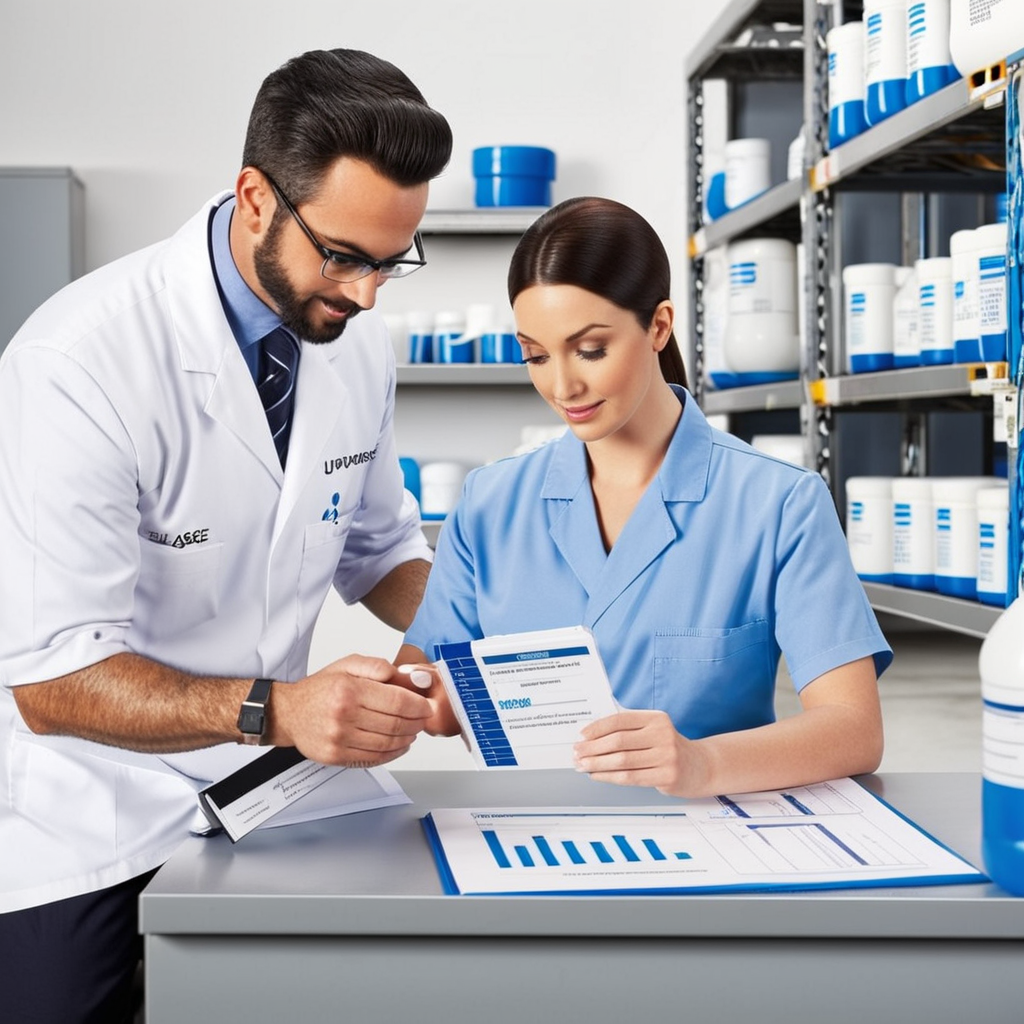
This What we Play
Key Role in the Industries
- Chemical Procurement
- ETP Infrastructure
- Chemical Usage
Chemical procurement involves the acquisition of various chemicals required for water treatment and other processes in your project. Key aspects of chemical procurement include:
-
Chemical Selection: Choosing the right chemicals based on treatment needs, regulatory requirements, and safety considerations.
-
Supplier Selection: Identifying reputable suppliers or manufacturers with a focus on quality and reliability.
-
Quantity Management: Estimating and ordering the appropriate quantities of chemicals to meet project demands.
-
Quality Control: Ensuring that chemical products meet specified standards and quality parameters.
Chemical storage is crucial for the safe handling and use of chemicals in your project. Key aspects of chemical storage include:
-
Storage Facilities: Describing the facilities and tanks used for storing chemicals.
-
Safety Measures: Outlining safety protocols, including labeling, containment, and protective equipment.
-
Inventory Management: Tracking and maintaining an inventory of chemicals, including stock levels and usage rates.
-
Emergency Response: Developing procedures for handling chemical spills, leaks, or accidents.
Chemical usage involves the application of chemicals in water treatment and other processes. Key aspects of chemical usage include:
-
Dosage Control: Determining the appropriate dosages of chemicals and monitoring their application.
-
Safety Procedures: Ensuring that chemical application is done safely, with protective measures in place for operators.
-
Environmental Impact: Assessing and mitigating the environmental impact of chemical usage, including waste disposal.
About us
We provide complete Environmental Impact Assessment (EIA) solutions including Effluent, Sewage, and Water Treatment Plants, Reverse Osmosis, Demineralization Systems, Chemical Supply, and Air Quality Analysis for sustainable industrial and environmental management.
Subscribe
Sign up for Hydro Chem Tech newsletter to receive all the news & Updates from us.
Social networks
#
#
#
About us
Subscribe
Sign up for HydroChem-Tech newsletter to receive all the news offers and discounts from us.
Social networks
#
#
#